Dentures – Painesville, OH
The Go-To Fix for Missing Teeth

It turns out tooth loss is a pretty common problem worldwide. In just the U.S. alone, as many as 178 million people have lost at least one of their teeth. The good news is that the issue has a reliable and time-tested solution: dentures in Painesville! With these durable restorations, our dentists can quickly and smoothly bring back your whole grin. If you’d like to learn more about them, simply keep reading or book a consultation with us.
Who's a Good Candidate for Dentures?
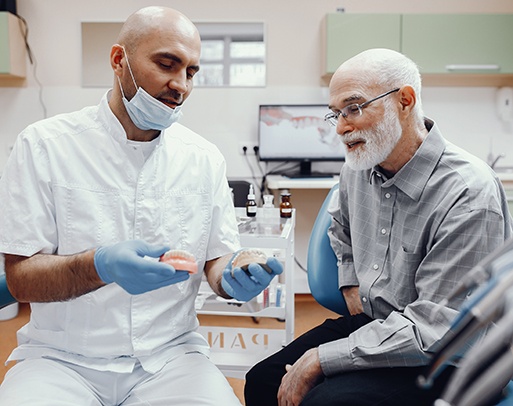
Honestly, it doesn’t take much to qualify for dentures; almost any adult with missing teeth can get them. The only wrinkle is that they benefit some patients more than others. That’s why the initial consultation is so important! At your visit, you’ll meet with one of our talented dentists so they can confirm your candidacy. If you want to learn more on the topic in the meantime, including what factors they consider when determining if dentures are the best solution, read on!
Effects of Missing Teeth

Although tooth loss can take a significant toll on your self-esteem, that’s not the only reason we recommend exploring your tooth-replacement options. We also encourage you to do so since the gaps in your smile – no matter how insignificant they may seem – can negatively impact the strength of your bite, your speaking patterns, and the alignment of your teeth. So, whether you’re only missing a few teeth or you don’t have any of your natural ones left, don’t hesitate to get an appointment with us on the calendar so we can give you a healthy, confident, and strong smile again.
What Qualifies You for Dentures?
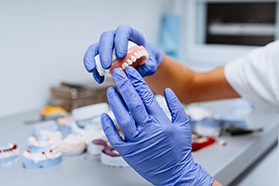
As we mentioned above, pretty much all patients who are struggling with moderate to severe tooth loss are candidates for dentures. That said, there are some cases where preliminary care is needed, like a tooth extraction or gum disease treatment. In the end, you should consult our dentists to confirm your candidacy. They can perform a thorough oral exam to see if dentures suit your smile. From there, they’ll use their findings to tailor your custom treatment plan.
Alternative Tooth-Replacement Options

Patients who are missing a few teeth throughout their mouth, several teeth in a row, or every tooth in an arch often find that dentures are the best option for them. However, there are some exceptions. For instance, patients who are missing three teeth consecutively may prefer to fill the open space in their smile with a traditional dental bridge. Similarly, patients who have lost all of their teeth may prefer an implant denture, which is secured in place with a few strategically placed dental implants.
Rest assured, our Painesville dental team is here to help you every step of the way, including when it comes time to choose which tooth-replacement solution is best for you. So, don’t hesitate to get in touch with us with any questions you have!
Types of Dentures
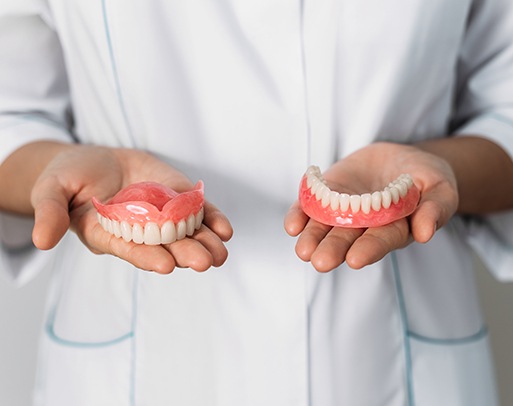
If we approve your treatment, we’ll suggest you get one of three types of dentures. The possible kinds include the following:
Partial Dentures
Partial dentures only replace a few teeth, so they’re ideal for mild tooth loss. They work by fitting over your gums with suction or clasping onto nearby teeth for support. Through such methods, these dentures use a pink acrylic base and color-matched teeth to blend with your smile.
Full Dentures
A full denture (per its name) replaces an entire arch of teeth at once. That being the case, it doesn’t use clasps to secure itself; it only relies on suction or adhesives for support. Still, the device does rely on an acrylic base and artificial teeth like other dentures. These things let it fit snugly and blend seamlessly.
Implant Dentures
If you prefer a more permanent option, you should give our implant dentures a try. These kinds secure themselves with dental implants – posts that substitute for tooth roots. Because the implants fuse with your mouth, they ensure the final denture remains stable and won’t slip or fall. The full prosthetic will instead work like natural teeth and last for many years with proper care.
The Benefits of Dentures
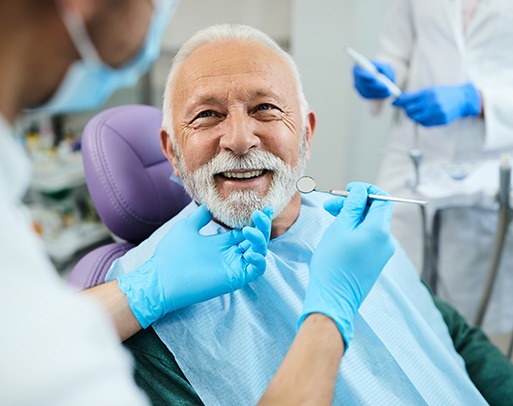
Dentures do much more than simply fill out the gaps in your smile—they impart all kinds of unique, life-changing benefits to patients in Painesville! Today’s dentures are incredibly lifelike, meaning they blend seamlessly with your natural smile. Plus, since they also function just like your original pearly whites, they make daily tasks like eating and speaking noticeably easier. These are just some of the many advantages these restorations offer; keep reading to learn about a few more!
Psychological Benefits

Losing teeth is difficult to accept for many patients, often affecting self-esteem, social confidence, and even mental health. When people feel insecure about their smile, they tend to withdraw from social situations rather than engage with others. Dentures help restore both the appearance and function of a natural-looking smile, giving patients renewed confidence in everyday interactions and allowing them to socialize freely again, without the anxiety that comes with tooth loss.
Clearer Enunciation

Speaking clearly requires precise coordination between your lips, tongue, and teeth. Certain sounds are formed by touching the tongue to the teeth, so missing teeth can make pronunciation surprisingly difficult. Dentures fill these gaps, giving your tongue and lips exactly what they need to form words properly again. While it may take a short adjustment period to get used to speaking with dentures, most patients find that clear speech returns quickly with a little practice.
Improves Nutrition

A healthy diet often includes foods with tougher textures, like fresh vegetables, fruits, and lean proteins. Since missing teeth can make chewing far more difficult, patients may avoid these nutritious options altogether, which can lead to digestive issues or even malnutrition over time. Dentures restore chewing function, making it easier and more comfortable to enjoy a wider variety of foods. This means patients can maintain a balanced, nutrient-rich diet without discomfort or dietary restrictions.
Preserves Oral Health

Without support, any remaining natural teeth you have can gradually shift or drift into empty spaces, leading to misalignment and further complications. Dentures help hold these teeth in their proper position, preserving the natural structure of your smile. Additionally, dentures help distribute the everyday pressure of chewing, easing the workload placed on your existing teeth. This reduces excess wear and tear and helps your natural teeth stay healthier for much longer.
Expands Opportunities

Your smile is often the first thing people notice when they see you, and it plays a bigger role in your life than you may realize. In professional settings, a confident, complete smile can make a meaningful difference during job interviews, client meetings, and professional career advancement. In fact, recent studies have found that poor oral health was negatively associated with the probability of being employed. By restoring a full, healthy-looking smile, dentures can help patients present their best selves, opening doors to all kinds of opportunities.
Dentures Aftercare

The big day has finally arrived! You’re now the proud owner of a beautiful, durable pair of dentures in Painesville! However, now that your smile has been restored, it’s important to take proper care of it so your prosthetics look and feel great for as long as possible. To that end, be sure to maintain excellent oral hygiene, use them properly, and don’t forget to visit your dentist every six months for your regular checkups and cleanings. Even if you have no “real” teeth left, these visits are your biannual opportunity to be screened for oral cancer, gum disease, and other dangerous conditions that may be harder to spot when wearing dentures regularly.
Removable Dentures
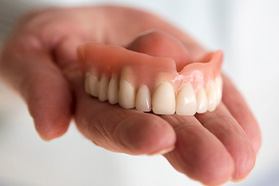
Remove After Eating
To keep your new dentures looking clean and beautiful, be sure to take them out of your mouth after each meal and rinse them well with warm or cool (never hot!) tap water. This will not only help stop them from accumulating buildup from food particles and plaque, but it will also keep them smelling fresh, too.
Clean Your Restoration
Having clean teeth is as important for your self-esteem as it is for the longevity of your dentures. Thankfully, caring for them is very easy. First and foremost, be sure to only use a soft-bristled brush to scrub them, as this will reduce the risk of permanently scratching them. Never clean them with regular toothpaste, as this is typically too abrasive and can damage them. Instead, use either a mild dish soap, unscented hand soap, or a cleansing product designed specifically for dentures. Then, make sure you rinse them well before putting them back in your mouth.
If you aren’t going to wear your restorations for a while after cleaning them, carefully submerge them in a glass of water or denture soak until you’re ready to put them back in again. This will stop them from drying out and incurring permanent damage.
Keep Your Dentures Safe
Accidental dropping is one of the leading causes of denture damage. To lower your risk of this happening when cleaning them, be sure to line your sink or countertop with a towel to absorb the impact if they slip. When not in use, store your dentures away from curious children and pets.
Remove When You Sleep
Wearing dentures 24/7 can increase your risk of gum disease, pneumonia, and a denture sores. It can also cause your restorations to dry out and become permanently damaged. Thus, it is important to remove them every night before you go to sleep. Be sure to store them fully submerged in either a glass of water or denture soak so they don’t lose their shape.
Notice Changes
It can be hard to tell what’s going on with your oral tissue when it’s hidden behind your restorations all day, but don’t ignore small changes like gum irritation, denture sores, or other signs of oral infection if you spot them.
Should you damage your dentures even slightly, don’t try to use them. Instead, contact us as soon as possible as this is considered a dental emergency.
Dentures were meant to last for five to seven years and withstand eating a full diet. However, if they begin to shift, squeak, or click, this is a warning sign that it may be time to reline or replace them, so be sure to schedule an appointment with us to have them evaluated as soon as you can.